
mirrored makeup vanity with lights
Understanding Water Turn Off Valves Importance and Usage Water turn off valves, often referred to as shut-off valves, play a vital role in plumbing systems. They are designed to control the flow of water within pipes and fixtures in residential and commercial buildings. Understanding these essential components can help homeowners and maintenance professionals alike in managing water supply effectively, preventing water damage, and ensuring safety in plumbing systems. What is a Water Turn Off Valve? A water turn off valve is a mechanical device that can start or halt the flow of water in a plumbing system. Typically made from materials like brass, stainless steel, or PVC, these valves come in various shapes and sizes. The most common types include gate valves, globe valves, and ball valves, each with unique operating mechanisms. The simplest form is a turn valve where the handle must be rotated to open or close the valve, halting or restoring the water flow. Importance of Water Turn Off Valves 1. Emergency Situations In the event of a leak or burst pipe, knowing how to quickly locate and operate the water turn off valve can prevent extensive water damage. For example, a burst pipe can release gallons of water, causing structural damage and mold growth. With a shut-off valve, water flow can be immediately stopped, buying time for repairs. 2. Maintenance and Repairs Regular maintenance of plumbing fixtures often requires turning off the water supply. Whether you’re replacing a faucet, repairing a toilet, or servicing a water heater, the shut-off valve is essential to avoid accidental flooding. It allows homeowners and tradespeople to perform maintenance safely and efficiently. 3. Seasonal Preparation In regions prone to freezing temperatures, turning off the water supply to outdoor faucets before winter is crucial to prevent pipes from freezing and bursting. Water turn off valves give homeowners control to manage seasonal challenges effectively. 4. Water Conservation In times where water conservation is critical, utilizing shut-off valves helps minimize waste. For instance, the valves can be used to control water flow during irrigation or when washing cars, helping to reduce overall water consumption. water turn off valve How to Locate and Operate Water Turn Off Valves Most homes have several shut-off valves. The main shut-off valve is typically located near where the water line enters the house, often found in basements, crawl spaces, or near the water meter. Additionally, individual fixtures like sinks, toilets, and appliances (e.g., dishwashers, washing machines) have their own dedicated valves, usually installed under the sink or behind the appliance. Operating a water turn off valve is generally straightforward 1. Locate the valve Identify whether it is a gate valve or ball valve. Gate valves typically have a round handle, while ball valves have a lever. 2. Turn Off For gate valves, rotate the handle clockwise until it stops. For ball valves, simply turn the lever 90 degrees to the closed position. 3. Check Turn on a faucet downstream from the valve to ensure that water flow has stopped. Conclusion Water turn off valves are indispensable components in plumbing systems. They offer critical control over water supply, enabling effective management during emergencies, repairs, and regular maintenance. Understanding their operation and location not only empowers homeowners but also enhances safety and conservation efforts. Regular inspection and familiarization with these valves can lead to better preparedness for unexpected plumbing issues and ultimately safeguard your home from potential water damage. As water conservation becomes increasingly important, knowing how to use these valves efficiently can contribute to responsible water usage and management in our homes.
about
mirrored makeup vanity with lights
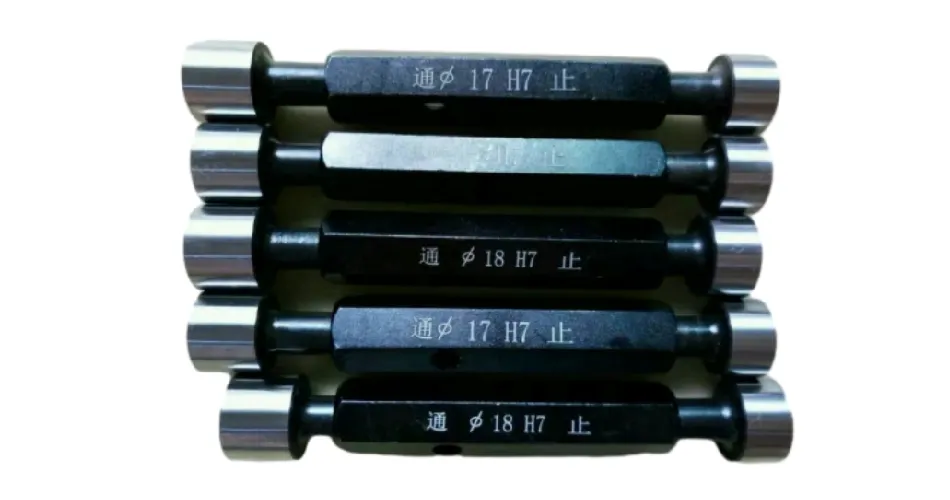
Understanding Plug Gauges Essential Tools for Precision Engineering In the realm of precision engineering and manufacturing, ensuring the correct dimensions of machined parts is paramount. One of the critical tools employed in this process is the plug gauge. Designed for checking the internal dimensions of holes and bores, plug gauges are integral to quality control and assurance in various industries, including automotive, aerospace, and electronics. What is a Plug Gauge? A plug gauge is a cylindrical measuring device used to verify the dimensional accuracy of holes. Typically made from high-grade steel, these gauges can be classified into two primary types Go gauges and No-Go gauges. The Go gauge is slightly smaller than the specified hole diameter, ensuring that it can fit into the hole if it is within the acceptable tolerance range. Conversely, the No-Go gauge is slightly larger, designed to ensure that if it does fit, the hole is out of specification. Types of Plug Gauges 1. Plain Plug Gauges These are the simplest form of plug gauges, used for basic inspections of hole diameters. 2. Tapered Plug Gauges These gauges have a tapering design that allows them to check not only the diameter but also the conformance of the shape and size over a distance. 3. Adjustable Plug Gauges These are used when a more precise measurement is required. They can be adjusted to different sizes, offering flexibility for various dimensions. 4. Specialty Plug Gauges Custom-made plug gauges are designed for specific applications, such as checking unique hole shapes or sizes in specialized components . Importance of Plug Gauges plug gauge The accuracy and precision of products depend significantly on the effectiveness of the measurement tools used during the manufacturing process. Plug gauges play a vital role in ensuring that parts fit together as intended, which is especially important in assemblies where multiple components are combined. If parts do not meet specified tolerances, it can lead to assembly issues, increased production costs, and even failures in the final product. Moreover, the use of plug gauges contributes significantly to the efficiency of the manufacturing process. By implementing these gauges, manufacturers can conduct quick inspections of parts, minimizing downtime and streamlining production. This efficiency is crucial in today’s fast-paced manufacturing environment, where speed and accuracy directly impact competitiveness in the market. How to Use Plug Gauges Using a plug gauge effectively requires a clear understanding of tolerances and specifications. Operators must first verify that the gauge is calibrated and in good condition. The process generally includes the following steps 1. Insert the Go Gauge The operator places the Go gauge into the hole. If it fits, it indicates that the hole is within the minimum allowable size. 2. Insert the No-Go Gauge Next, the No-Go gauge is inserted. If the No-Go gauge fits, it signals that the hole exceeds its maximum allowable size, which means it is out of tolerance. 3. Record Measurements Any discrepancies found during the measurement process should be recorded for quality assurance tests, enabling manufacturers to address issues promptly. 4. Routine Maintenance Regular calibration and maintenance of plug gauges ensure their accuracy and prolong their lifespan. Conclusion Plug gauges are indispensable tools in precision manufacturing, playing a crucial role in quality control and assurance. Their straightforward design and functionality make them reliable instruments for ensuring that parts meet specified tolerances. The use of plug gauges not only enhances the accuracy of measurements but also promotes operational efficiency in the manufacturing process. As industries continue to evolve and demand higher precision, the importance of plug gauges in maintaining quality standards will undoubtedly grow. By investing in proper usage and maintenance of these tools, manufacturers can ensure the longevity and performance of their products in a competitive marketplace.
-

High quality industrial productsagement

High quality industrial products
View Details -

Meet the diverse needs of customers

Meet the diverse needs of customers
View Details -

Strict quality control

Strict quality control
View Details -

Top raw materials

Top raw materials
View Details -

Trusted supplier

Trusted supplier
View Details
Our application


news and information
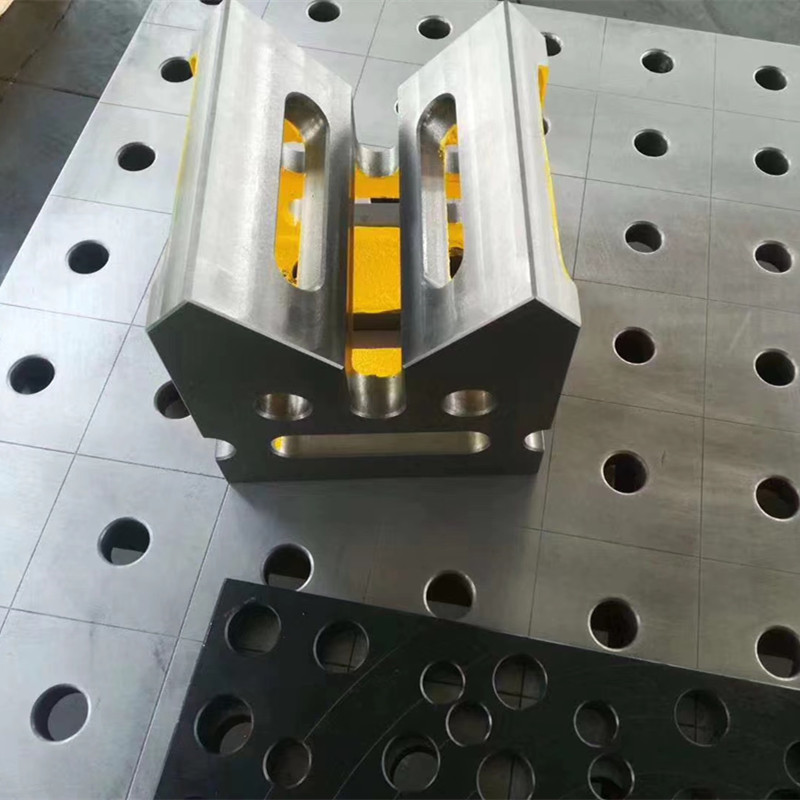
Water Meter Shutdown Valve Installation and Maintenance Guide for Homeowners
Understanding Water Meter Shut-Off Valves Importance, Functionality, and Maintenance In residential
Y turi filtr uchun strainer va suyuqlik tozalash tizimlari
Y Turi Filteri va Suvni Tozalashda Uning O'rni Y turi filtri suvni tozalashda muhim rol o'ynaydi. Bu
Water Valve Fails to Close Properly Leading to Leakage Issues and Concerns
Troubleshooting a Water Valve That Won't Shut Off Water valves play a crucial role in home plumbing
 English